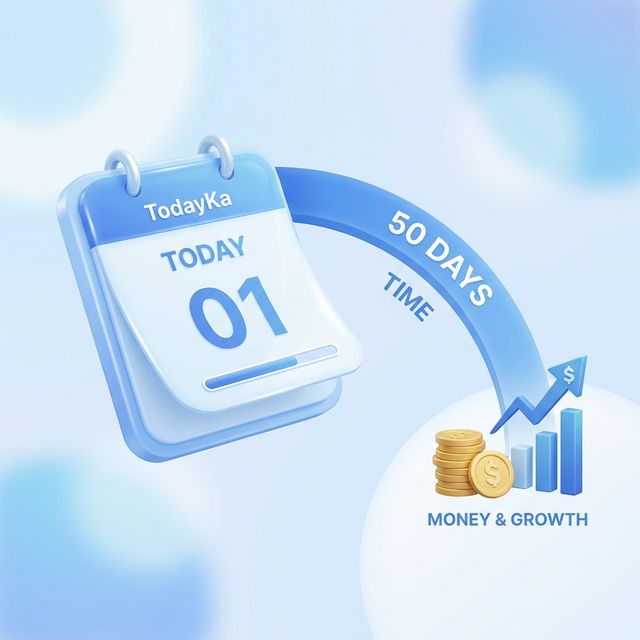
One of the most powerful features of a credit card is the "interest-free period." Used correctly, you can leverage bank funds for over 50 days at zero cost, allowing you to maximize your cash flow and earn interest on your own money. Here is how to master it.
What is the Interest-Free Period?
The interest-free period (or grace period) is the time between your purchase date and the payment due date. During this time, you are essentially borrowing money from the bank for free.
Most credit cards offer a grace period between 20 to 50 days, with some premium cards extending up to 56 or even 60 days.
Key Concepts: Statement Date vs. Due Date
- Statement Date: The date the bank issues your monthly bill.
- Due Date: The final date by which you must pay the bill to avoid interest. This is usually 20-25 days after the Statement Date.
The Secret to Maximizing It
The strategy is simple: Make large purchases immediately AFTER your Statement Date.
For example:
Your Statement Date is the 5th of every month. Your Due Date is the
25th.
- If you buy on Jan 4th, it goes into the Jan 5th bill. You must pay by Jan 25th. Grace period: ~21 days.
- If you buy on Jan 6th, it misses the Jan 5th bill and goes into the Feb 5th bill. You pay by Feb 25th. Grace period: ~50 days!
Managing Multiple Cards
To always have a card with a long grace period available, the best strategy is to stagger your statement dates across different cards.
Example:
Card A: Statement Date 5th (Use from 6th-15th)
Card B: Statement Date 15th (Use from 16th-25th)
Card C: Statement Date 25th (Use from 26th-5th)
With this setup, no matter what day it is, you likely have a card offering near-maximum interest-free days.
Too much math?
You don't need to calculate this manually! TodayKa does it for you. It analyzes your cards' statement dates and automatically recommends the best card to use right now to maximize your interest-free days.
Important Rules
- Always pay in full: If you carry a balance, you usually lose the grace period on new purchases immediately.
- Watch for floating dates: Some banks shift due dates if they fall on holidays or weekends. Check your official statement.
- Cash advances hold no grace: Interest on cash advances usually starts accruing immediately. Avoid them.